
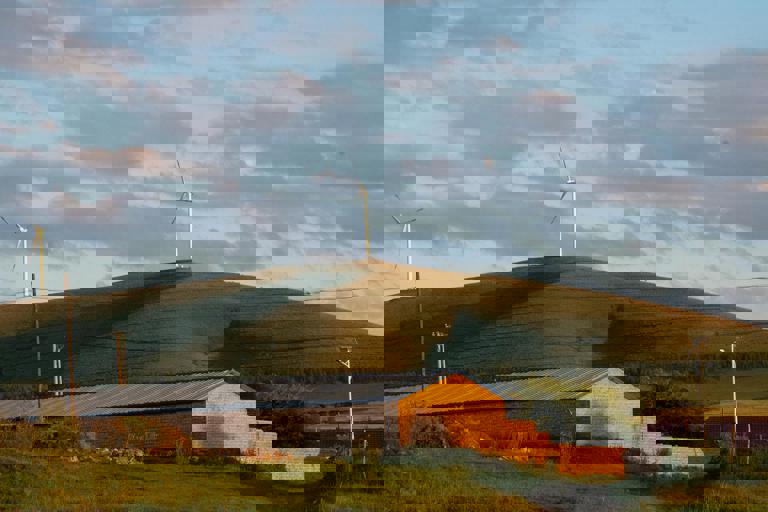
A heated debate has emerged within Australia’s political landscape as powerful lobbyist groups push for swift approval of renewable energy legislation. Industry representatives argue that removing bureaucratic red tape is essential for turbocharging investment in solar, wind, and battery storage projects. Their campaign, launched in recent weeks, intensifies growing interest in clean energy as a cornerstone of the nation’s future economic development and climate change mitigation strategy.
At the heart of this contention is a legislative package currently before Parliament, aiming to streamline permitting and funding for large-scale green energy infrastructure. Proponents of the bill assert that accelerated passage is necessary to meet Australia’s ambitious goal of net-zero emissions by 2050. “Delays threaten our competitiveness and risk missing critical climate targets,” stated Energy Transitional Council spokesperson, Mark Donnelly.
Although industry lobbyists claim the reforms will unlock billions in private investment and create thousands of jobs, environmental groups have voiced strong reservations. Greens senator Larissa Waters cautioned, “Rushing this legislation could weaken important environmental safeguards. We must ensure renewables growth does not come at nature’s expense.” Her concerns echo a broader movement among conservationists to preserve biodiversity even as the country expands its renewable footprint.
Several key business leaders, including the Australian Renewable Energy Association, have joined forces to pressure lawmakers for a decision before the next parliamentary recess. According to a recent economic analysis commissioned by the group, the reforms could spur up to $25 billion in new investment within five years. The report also forecasts an increase of over 30,000 jobs in construction, services, and ongoing operations across regional communities.
However, critics question the underlying assumptions of such optimistic forecasts. The Australasian Centre for Responsible Resource Development, a policy think-tank, has highlighted the risks of prioritising speed over public consultation. “Transparent engagement with local communities ensures these projects have genuine social licence. Hastily pushing through approvals might erode public trust in the transition to clean energy,” noted centre director Dr. Fiona Holden.
The contentiousness of the debate is reflected in the ongoing parliamentary hearings, where a diverse array of stakeholders are providing testimony. Representatives from First Nations groups have emphasised their right to free, prior, and informed consent regarding renewable projects developed on traditional lands. “Partnership, not imposition, must guide our renewable future,” remarked Yamatji Marlpa Aboriginal Corporation chairperson, Warren Greatorex.
Environmental organisations, led by the Australian Conservation Foundation, are demanding amendments that would place stricter environmental impact assessments in the legislative package. They warn that the current fast-track provisions may facilitate poorly sited wind and solar farms, with potential negative impacts on native species and fragile ecosystems. “Responsible renewable expansion cannot mean sidelining nature protection,” asserted ACF campaigner Kelly O’Shanassy.
Meanwhile, major energy investors and developers are urging Parliament not to delay, pointing to growing competition from overseas. Chief Executive Officer of Sunrise Power, Helen Russell, commented, “Australia risks losing global capital to projects in North America and Southeast Asia if uncertainty persists. Global investors need confidence in a clear and rapid approval process to allocate funds to Australian innovation.”
The government faces a delicate balancing act as it weighs overlapping pressures from industry, environmentalists, and regional stakeholders. Climate Change and Energy Minister Chris Bowen told reporters, “We are committed to meaningful decarbonisation, but we must also ensure reforms support jobs, communities, and Australia’s unique environment. Careful design and rigorous safeguards are essential as we pursue accelerated renewables growth.”
Public opinion appears divided, according to a recent survey conducted by Essential Media. The findings reveal that while 62% of Australians support speeding up clean energy investment, nearly half believe that strong environmental protections should not be compromised in the process. This split highlights the complexity of reconciling national economic benefits with widespread community concern for environmental stewardship.
Behind the scenes, lobbying efforts have intensified, with industry associations reportedly spending millions on advocacy campaigns, policy briefs, and direct meetings with legislators. Transparency International Australia has raised questions about the extent of lobbyist influence and called for robust disclosure requirements. “Democracy depends on transparent policymaking, especially when large economic interests are at stake,” said executive director Serena Lilywhite.
As the debate moves towards a legislative showdown, all eyes are on Parliament to see whether a compromise can be reached. With Australia’s energy future and international climate reputation hanging in the balance, the outcome will likely set a precedent for how the nation navigates the twin imperatives of economic renewal and environmental protection. The coming weeks promise significant developments in this pivotal chapter of Australian energy policy.