
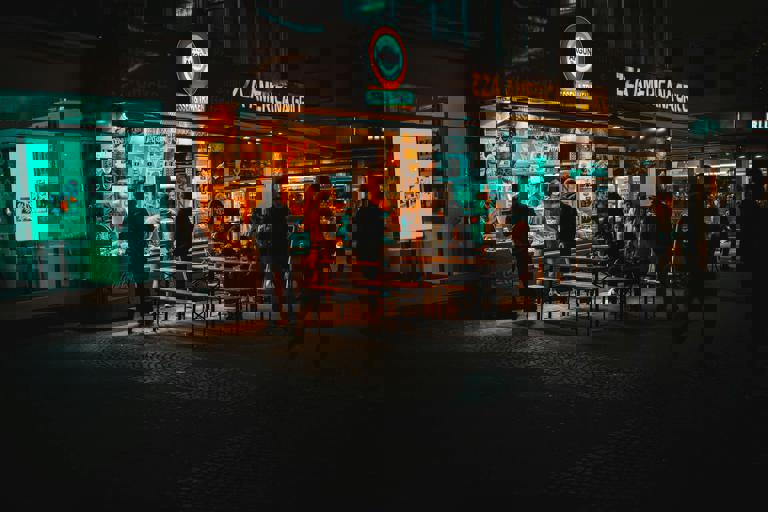
As twilight gives way to the neon glow of city lights, downtown eateries are experiencing a surge of activity well past conventional dinner hours. The influx of midnight crowds craving comfort food has transformed the local dining landscape, with restaurants eagerly adapting to meet this nocturnal demand. Recent months have seen queues snaking out of cafes and diners at 1 a.m., a phenomenon that chefs and proprietors attribute to cultural shifts and the changing rhythms of urban life.
This late-night dining boom is not just a passing trend, but a reflection of Sydney’s evolving social fabric. Hospitality industry experts cite factors like the rise in shift-based employment, especially in healthcare, logistics, and emergency services, which has brought a new clientele seeking quality meals after dark. According to data from Hospitality Australia, late-night food sales have grown by 18% over the past year, signalling a robust appetite for 24-hour urban offerings.
Restaurant owners are finding innovative ways to cater to this energized demographic. Many have developed specialized menus featuring hearty, easy-to-prepare dishes that can be served swiftly to hungry patrons. Some venues have introduced all-day breakfast items or locally inspired comfort foods, designed to satisfy a diverse clientele at any hour. "We see everyone from hospital workers finishing a shift to musicians wrapping up gigs," explains Marco Nguyen, owner of EatStreet Diner.
However, the trend is not without its complications. Extending operating hours brings logistical and staffing challenges. Managers must balance the need for a full staff late at night while maintaining profitability, and staff safety is an ongoing concern. "There are extra costs to consider, from late-night security to higher electricity bills," notes restaurant manager Alison Clarke. Despite these hurdles, many say the rewards outweigh the risks.
Patrons themselves are embracing the new offerings, often citing the social benefits as much as the food. Sophie Lim, a night-shift nurse, observes, “Having a vibrant late-night food scene makes finishing work feel less isolating. It brings the city alive after hours, and you can actually relax and wind down.” Her sentiment is echoed by international students and night owls, who report that late-night eateries foster community and connection downtown.
City officials are also keeping a watchful eye on the trend, recognizing both its economic and social impacts. Local councils have begun partnering with participating venues to promote safe late-night precincts while considering noise management and public transport options. Policies supporting after-hours operations are being reviewed, with attention to minimizing disruption to residential areas while harnessing the benefits of increased city vibrancy and job creation.
Nutritional considerations are becoming increasingly relevant as more people turn to late-night dining. Dietitians caution that while comfort food is popular, balance is key to supporting health and wellbeing, particularly for those regularly eating outside traditional hours. Some businesses have responded by offering healthier alternatives, such as grilled options and lighter fare alongside traditional burgers or fries, appealing to the growing health-conscious crowd.
Looking ahead, industry insiders predict the late-night dining phenomenon will continue to shape the city’s culinary identity. With technology enabling rapid ordering and delivery, and urban living patterns shifting, there is potential for even broader growth. As the lines between day and night blur in the city center, late-night eateries are poised not only to thrive economically but also to define the future of urban social life, offering comfort and community to all who wander beneath the midnight lights.