
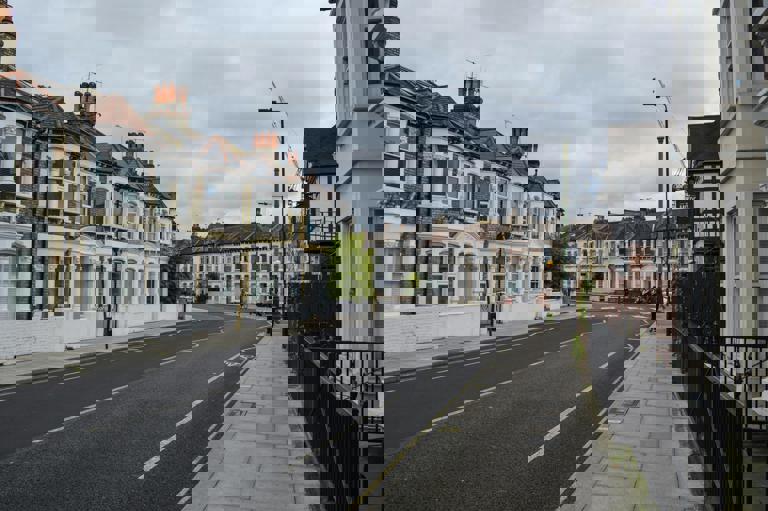
Sydney’s inner city has long been renowned for its elegant rows of heritage-listed terrace homes, with their intricate wrought-iron balconies, ornate facades, and centuries-old brickwork. In recent years, these classic dwellings have caught the eye of renovators seeking to blend historical charm with the demands of contemporary urban life. The transformation process is sparking both enthusiasm and debate across the city’s historic neighbourhoods as old meets new in striking fashion.
The push to modernise these heritage row houses is partly driven by Sydney’s surging property market, where location is paramount and demand for inner city living remains strong. Buyers are increasingly attracted to the possibility of owning a piece of history while benefitting from modern conveniences such as open-plan living, energy-efficient appliances, and smart home technologies. Real estate agents report that renovated terraces command premium prices, a trend reshaping property values throughout the area.
While some residents celebrate these upgrades as a necessary evolution, others fear the loss of the neighbourhood’s traditional character. "These houses tell the story of our city," says heritage architect Louise Chan. "If we strip away original features in favour of sleek, minimalist interiors, we risk erasing the physical evidence of our collective past." Her concerns resonate with many long-time locals who feel a deep connection to the suburb’s historical identity.
To address such concerns, local councils have implemented strict heritage protection regulations, requiring homeowners and architects to obtain special permits before making significant changes to exteriors or major structural elements. These measures aim to ensure that any alterations respect the heritage significance of the terraces, while allowing for sensitive adaptation to modern standards. Council spokesperson Janet Murray states, "Our goal is to strike a balance between preservation and practicality."
Innovative architects and interior designers are responding to these challenges with creative solutions. By skilfully integrating contemporary amenities within the existing framework, they manage to retain the iconic facades and original materials while completely reimagining the interiors. Features like skylights, glass partitions, and underfloor heating are now common in revamped row houses, proving that old and new can coexist harmoniously when approached with care.
Homeowners, too, are playing an active role in this transformation. Many are eager to personalise their properties while respecting the area’s heritage listings. Renovators often dedicate significant resources to restoring period details such as cornices, fireplaces, and staircase balustrades, while simultaneously reconfiguring floorplans to create larger living spaces more suited to today’s lifestyle. The reward is a unique blend of character and comfort.
One recent project in the heart of an inner city suburb saw a derelict row of terraces converted into energy-efficient family homes. Solar panels were discreetly installed on the rear rooftops, and rainwater tanks added without detracting from the historic streetscape. Developer Alex Carter explains, "We wanted to create homes that are environmentally responsible and future-proof, all while honouring the architectural language of the past."
The infusion of fresh design ideas has brought newfound vibrancy to previously neglected streets. Today, passersby in these suburbs are greeted by reimagined terrace houses that preserve their signature iron lacework and stained glass, yet hint at the stylish sanctuaries within. Local business owners note an uptick in visitors drawn to these revitalised precincts, which boosts the café and boutique sector in the neighbourhood.
However, this wave of renovation has not been without controversy. Critics argue that rising property values threaten the area’s social diversity, pricing out long-term tenants and first-home buyers. "The influx of high-end renovations is changing the fabric of our community," remarks neighbourhood activist Clare Tomlinson. "There's a real risk of losing the mixed, lively culture that made these neighbourhoods special in the first place."
In response to these concerns, some developers are working with local councils to ensure a mix of affordable and market-rate housing in new refurbishment projects. Incentives for adaptive re-use and contributions to public spaces are being considered as part of the planning process. These policies aim to maintain the unique socio-economic diversity that has characterised many inner city enclaves for generations.
Market data reveals the growing appeal of upgraded terrace homes. According to the Real Estate Institute of New South Wales, renovated heritage row houses have achieved price increases of up to 30 percent over the past five years in select inner city areas. Real estate agent Marcus Leong credits these gains to the "combination of prime location, period charm, and contemporary living standards," which continue to attract discerning buyers.
Despite the challenges, advocates for revitalised row houses see the transformation as a positive step toward sustainable urban living. They point out that adaptive reuse reduces urban sprawl and makes use of existing infrastructure, which is vital as Sydney’s population grows. Moreover, retaining and enhancing heritage properties contributes to the cultural richness and sense of continuity in urban environments.
For many Sydney residents, the debate around renovating heritage terraces is not just about buildings, but about identity and belonging. It forces a conversation on what is worth preserving—and how cities evolve in response to changing needs and values. As the city balances modern living with its architectural legacy, the story of Sydney’s row houses offers both cautionary lessons and inspiring possibilities for the future of urban design in Australia’s largest metropolis.